Naples travel guide
Naples Food Guide: What to Eat and Where to Start
A practical Naples food guide covering pizza, street food, pastries, coffee, local dishes and how to build food into your itinerary.
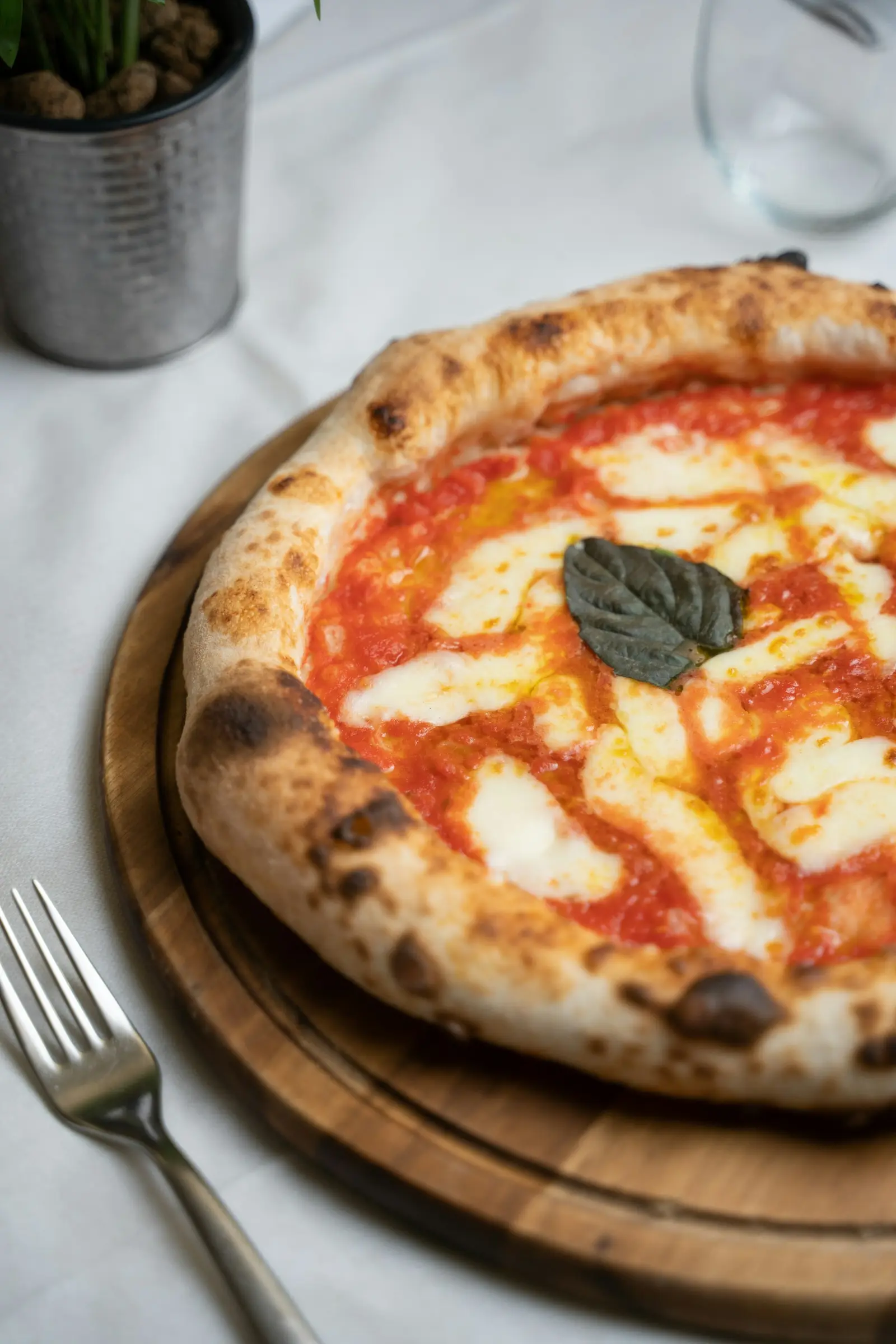
Food is one of the main reasons to spend time in Naples rather than treating the city only as a gateway to Pompeii, Capri or the Amalfi Coast. Pizza is the headline attraction, but a good food plan also leaves room for fried snacks, pasta, seafood, pastries, coffee and simple dishes that make sense at different times of day.
The most useful way to eat well in Naples is not to build a list of famous addresses and cross the city for every meal. Plan food around the neighbourhood you are already exploring, use a few destination meals where they are genuinely worth the effort, and leave space for spontaneous stops when something looks good.
This guide explains what to try, when different foods fit naturally into the day and how to avoid turning every meal into another piece of sightseeing logistics.
What to eat in Naples at a glance
| Food or drink | What it is | Best moment |
|---|---|---|
| Pizza margherita | Tomato, mozzarella, basil and olive oil | Lunch or dinner |
| Pizza marinara | Tomato, garlic, oregano and olive oil | Lunch or dinner |
| Pizza fritta | Fried folded or stuffed pizza | Quick lunch or substantial snack |
| Cuoppo | Paper cone of fried seafood or vegetables | Street-food stop |
| Frittatina di pasta | Fried pasta snack, often filled | Midday snack or light lunch |
| Pasta e patate | Pasta and potatoes, often rich and comforting | Sit-down lunch or dinner |
| Genovese | Slow-cooked onion and meat sauce served with pasta | Traditional restaurant meal |
| Ragù napoletano | Long-cooked meat and tomato sauce | Sunday-style or traditional meal |
| Seafood | Fish, clams, mussels and other local preparations | Waterfront or traditional restaurant meal |
| Sfogliatella | Layered or shortcrust pastry with ricotta filling | Breakfast or sweet stop |
| Babà | Rum-soaked yeast cake | Dessert or afternoon sweet |
| Espresso | Short, strong coffee | Breakfast or quick bar stop |
You do not need to eat all of these in one trip. The better goal is variety: one or two excellent pizzas, at least one traditional pasta dish, a few street-food stops, a pastry breakfast and enough coffee to understand how naturally it fits into everyday Naples.
Start with Neapolitan pizza
Pizza in Naples is not just a famous local dish; it is one of the simplest ways to understand how strongly food is tied to place. The classic styles are restrained rather than overloaded with toppings, and the dough, oven and balance of ingredients matter more than novelty.
The two essential pizzas to recognise are:
- Margherita — tomato, mozzarella, basil and olive oil;
- Marinara — tomato, garlic, oregano and olive oil, despite the name containing no seafood.
If it is your first Naples trip, starting with one of these makes more sense than choosing the most elaborate pizza on the menu.
Do not build the entire trip around one famous pizzeria
Naples has many strong pizzerias and many different styles of experience. Some famous places attract long queues; others operate at a calmer pace. A restaurant that is perfect for a dedicated pizza evening may be a poor choice when you have timed museum tickets across town an hour later.
Use three filters:
- Quality — does the place have a serious reputation for pizza rather than simply tourist visibility?
- Geography — does it fit naturally into the area you are visiting?
- Timing — are queues, opening hours and meal length compatible with the day?
That approach usually produces a better trip than chasing the same handful of addresses everyone has saved.
Pizza can be cheap without being low quality
One of the attractions of Naples is that a memorable meal does not always require a large restaurant budget. Classic pizza remains one of the more accessible sit-down meals in the city, although prices vary by venue, location and toppings.
Do not judge quality by whether a dining room looks polished. Some of the city's most appealing food experiences are informal.
Try pizza fritta as a separate experience
Pizza fritta is not simply a backup when you cannot get a table at a pizzeria. It has its own identity: dough is fried rather than baked and can be folded or filled, creating a richer and heavier meal.
It works well when you want something fast and substantial in the historic centre, but it is more filling than it may look. If you plan a large dinner later, splitting one can be smarter than treating it as a casual pre-lunch snack.
Street food: what to look for
Street food fits Naples especially well because so much sightseeing happens on foot. The historic centre lets you move between churches, narrow streets, food counters and small squares without repeatedly sitting down for a full meal.
Cuoppo
A cuoppo is a paper cone filled with fried food. Depending on the vendor, that may mean small fish and seafood, vegetables or a mixed selection.
It is easy to eat while moving, but fresh frying matters. Choose a busy counter where food is being cooked continuously rather than a display that appears to have been sitting for a long time.
Frittatina di pasta
A frittatina di pasta is a compact fried pasta snack, typically bound with a creamy filling and often enriched with meat, peas or cheese. It is much more substantial than its size suggests.
This is a good example of why ordering several fried snacks at once can be a mistake. Start with one or two things and add more if you are still hungry.
Crocchè and other fried snacks
Potato croquettes and other fried bites are common companions to pizza or street-food stops. They are useful for sharing, especially if you want to taste several things without turning every stop into a full meal.
Pasta dishes worth seeking out
Pizza can easily dominate a short visit, but skipping Neapolitan pasta would leave a large gap in the food experience.
Pasta e patate
Pasta e patate combines pasta and potatoes, often with cheese and a creamy, almost risotto-like texture. It is a humble dish with the kind of richness that makes more sense as a proper lunch or dinner than as a side dish.
Recipes vary, and that variation is part of the appeal. Do not expect every restaurant to serve an identical version.
Genovese
Despite the name, pasta alla Genovese is strongly associated with Naples. The sauce is built around onions cooked slowly with meat until the mixture becomes deeply savoury and sweet.
It is one of the best dishes to choose if you want something unmistakably local that is not tomato-based.
Ragù napoletano
Neapolitan ragù is a long-cooked sauce where meat and tomato develop slowly over time. It is different in character from the minced-meat sauces many visitors associate with the general word “ragù”.
If a traditional trattoria highlights its ragù, it can be a better choice than ordering another pizza simply because Naples is famous for pizza.
Seafood and the Bay of Naples
Naples sits on a bay, so seafood belongs naturally in the city's food identity. Menus may include clams, mussels, anchovies, squid, octopus and local fish depending on season and restaurant style.
A few practical rules help:
- ask about the catch or preparation if the menu is unclear;
- check whether fish is priced per portion or by weight;
- do not assume a waterfront address automatically guarantees better seafood;
- favour places where seafood is central to the menu rather than an afterthought added for tourists.
For a first trip, one seafood meal is enough to broaden the experience without forcing the itinerary around restaurants.
Pastries: sfogliatella first
Naples has a strong pastry culture, and sfogliatella is the obvious starting point.
You will usually encounter two main forms:
- sfogliatella riccia — layered, crisp and shell-shaped;
- sfogliatella frolla — made with a smoother shortcrust-style pastry.
Both normally contain a sweet ricotta-based filling. Trying one of each during the trip is a simple way to understand how much the pastry changes the experience even when the filling is related.
Babà
Babà is a soft yeast cake soaked with rum syrup. It can be served plain or with cream and other additions.
Because it is soaked, it is very different from a dry breakfast pastry. It works better as a dessert or dedicated sweet stop than something to carry around in a bag all morning.
Other sweet stops
Pastry counters often offer far more than the two famous classics. If you are staying several days, resist the temptation to repeat the same order every morning. Naples is a good city for simply pointing to something unfamiliar and trying it.
Coffee: short, frequent and uncomplicated
Coffee culture in Naples is built around the bar rather than a long café session. Espresso is small, strong and often consumed quickly while standing.
You do not need to study complicated etiquette. The useful habits are simple:
- order at the counter when that is how the bar operates;
- do not expect a large drink unless you ask for one;
- understand that sitting at a table may have a different price structure from standing at the bar;
- treat coffee as a short break rather than an event that requires half an hour.
A morning pastry with coffee and a later espresso after lunch is an easy way to experience the rhythm without forcing it.
Breakfast in Naples
A typical visitor breakfast does not need to be elaborate. Coffee plus a pastry is a natural option and leaves room for a substantial lunch.
If your hotel includes a large breakfast, use it if it suits you, but do not feel obliged to eat heavily every morning simply because it is included. On a food-focused trip, a lighter breakfast gives you more flexibility later.
Lunch versus dinner
Naples becomes much easier to eat around when you decide which meal will be the main event.
Make lunch the main meal when:
- you have a museum or sightseeing-heavy morning;
- you want a traditional pasta dish;
- evenings are reserved for walking, drinks or an early night;
- you want to avoid eating very late.
Make dinner the main meal when:
- the daytime schedule is built around attractions and day trips;
- you want a longer sit-down meal;
- you are staying in an area with good evening dining nearby;
- you want pizza after sightseeing rather than in the middle of it.
There is no need to make both lunch and dinner major restaurant occasions every day. That becomes tiring and expensive, and it leaves little room for street food.
Where to eat by neighbourhood
The goal here is not to name a fixed “best restaurant” in each district. Restaurants change, chefs move and queues vary. Instead, understand what each area contributes.
Centro Storico
Centro Storico is the easiest place to combine food and sightseeing. Pizza, fried snacks, pastries and traditional trattorias are all densely represented.
It is ideal for a first food-focused day because you can try several things without long transport gaps. The downside is that the most famous places can be crowded.
Via Toledo and Quartieri Spagnoli
This area works well for a mix of street food, casual meals and evening atmosphere. It is also convenient when your day includes Toledo, the Spanish Quarter and the route toward the waterfront.
Because foot traffic is intense, avoid choosing purely by the most visible menu board. Walk a street or two away from the busiest flow if a place feels designed only to capture passing tourists.
Chiaia
Chiaia suits a more polished lunch or dinner and gives you a reason to eat outside the old-city core. It pairs naturally with an evening walk, shopping or the waterfront.
If you are staying in Chiaia, you do not need to return to Centro Storico for every “authentic” meal. Naples food culture is not confined to one district.
Waterfront and Santa Lucia
The waterfront is attractive for an evening meal, especially if seafood is a priority. The view can be part of the experience, but location should not replace basic restaurant judgement.
A beautiful table overlooking the bay is worthwhile when the food is also good; it is poor value when the view is doing all the work.
Vomero
Vomero offers a different pace from central Naples and can work well after a hilltop afternoon. Eating there can be especially sensible if you are already visiting the area rather than descending solely for dinner.
The general rule remains the same: eat where the day's geography makes sense.
How to spot a tourist trap without becoming paranoid
Naples receives large numbers of visitors, so tourist-oriented restaurants are inevitable. That does not automatically mean bad food. The goal is simply to avoid places where convenience and marketing are the only selling points.
Useful warning signs include:
- staff aggressively trying to pull people inside;
- huge menus covering every possible Italian dish;
- food photos doing more work than the menu itself;
- prices or weight-based seafood charges that are unclear;
- a location that is perfect but the dining room is empty at a normal meal time while nearby places are busy.
More useful positive signs include a focused menu, clear pricing, steady local trade and dishes that match the type of restaurant.
Reservations and queues
Some well-known restaurants accept reservations; others operate mainly through queues. Do not assume one system applies everywhere.
For a restaurant that matters to you, check its current official booking method shortly before the trip. For less important meals, keep alternatives nearby so a long queue does not derail the evening.
A useful rule is to have one must-eat place and two acceptable backups in any area where dinner timing matters.
Food tours: when they are worth it
A food tour can be one of the better paid activities in Naples if you use it as an introduction rather than outsourcing every meal decision.
A good tour can help you:
- identify dishes you would not order alone;
- learn how different foods fit into the city's history;
- understand parts of Centro Storico or another neighbourhood;
- gain confidence ordering at counters and bars;
- collect places to revisit later independently.
The best timing is usually near the beginning of the trip. If you take a food tour on the final afternoon, you have little chance to use what you learned.
Before booking, look at group size, number of tastings, walking distance, dietary policies and whether the itinerary genuinely focuses on Naples rather than generic Italian food.
Vegetarian, vegan and dietary needs
Vegetarians can eat well in Naples because several classic foods are naturally meat-free, including marinara pizza, margherita pizza and many vegetable-based dishes.
Vegan travellers have workable options too, but should confirm cheese, butter, eggs and fillings rather than assuming a vegetable dish is automatically vegan.
For allergies and coeliac disease, do not rely only on visual inspection. Communicate the allergy clearly and choose businesses that demonstrate they understand cross-contamination when that matters medically.
A translation card on your phone can help if the allergy is serious and language is a concern.
A simple food plan for a three-day stay
You do not need a meal-by-meal spreadsheet. A loose structure works better.
Day 1: classics
- coffee and sfogliatella;
- pizza for lunch or dinner;
- one fried street-food snack;
- evening walk through Centro Storico or Toledo.
Day 2: beyond pizza
- lighter breakfast;
- traditional pasta such as Genovese, ragù or pasta e patate;
- coffee stop;
- seafood or a neighbourhood dinner outside Centro Storico.
Day 3: learn and repeat
- food tour or market/street-food exploration;
- revisit the favourite snack from earlier days;
- choose either another pizza style or a proper trattoria dinner.
With a week, spread this structure out. There is no prize for eating every iconic dish in 48 hours.
Build food around sightseeing, not against it
The most common planning mistake is choosing restaurants independently from the day's route.
If you are spending the morning around the historic centre, eat there. If the afternoon ends in Chiaia, have dinner in Chiaia. If you are returning from Capri through the port, a waterfront meal may make more sense than crossing Naples for a saved restaurant pin.
Use the Naples map to understand the geography, the things to do in Naples guide to group sightseeing and where to stay in Naples to make evening dining easier.
For a full trip structure, the one-week Naples itinerary deliberately leaves food space in each day rather than treating meals as gaps between attractions.
The short version
For a first Naples trip, prioritise:
- one classic margherita or marinara;
- one second pizza experience, perhaps pizza fritta or another pizzeria style;
- at least one fried street-food snack;
- a traditional pasta dish;
- sfogliatella;
- babà;
- espresso at a bar;
- one meal outside Centro Storico;
- seafood if it interests you;
- a food tour early in the trip if you prefer guided context.
That is enough to give the trip range without letting food planning become another exhausting checklist.
Keep planning
Build the rest of your Naples trip
Use the core planning guides to connect where you stay, what you do and the day trips that are worth the travel time.